27 июля 2026 г. · Источник
Understanding the Key Stages of Product Development
Vadim Barsov · Growth / Marketing / Adtech / LLM / ML · barsov-growth.ru
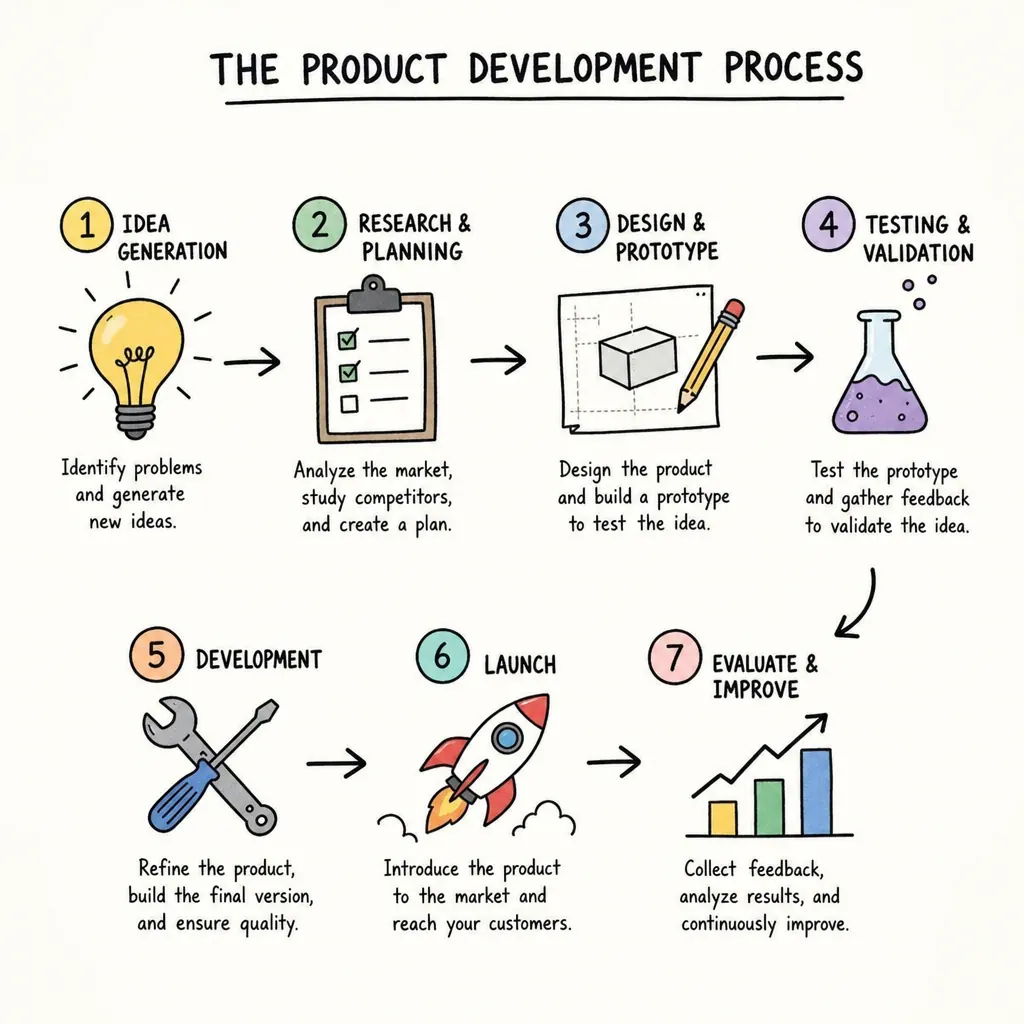
Why product development stages matter
Product development is a journey from idea to market-ready product. Each stage is crucial for success: understanding them helps businesses create products that meet customer needs and stand out in the market.
The process begins with market research, identifying gaps and opportunities. That foundation supports idea generation, concept development, a clear product roadmap, design and prototyping, then testing before launch.
This guide walks through the essential stages of new product development, with practical checkpoints for each phase.
What is product development?
Product development is the structured process of creating or enhancing products — turning ideas into tangible market solutions.
Key aspects include:
- identifying customer needs
- designing innovative solutions
- launching products effectively
A successful product meets consumer expectations and adapts to market trends. Entrepreneurs and product teams need a clear view of this dynamic cycle.
Why the stages matter
A well-defined development cycle prevents costly mistakes and mitigates risk.
Key benefits:
- streamlined processes
- enhanced product quality
- improved market readiness
Following a systematic approach helps teams deliver products that resonate with customers and align with business goals.
Overview of the product development process
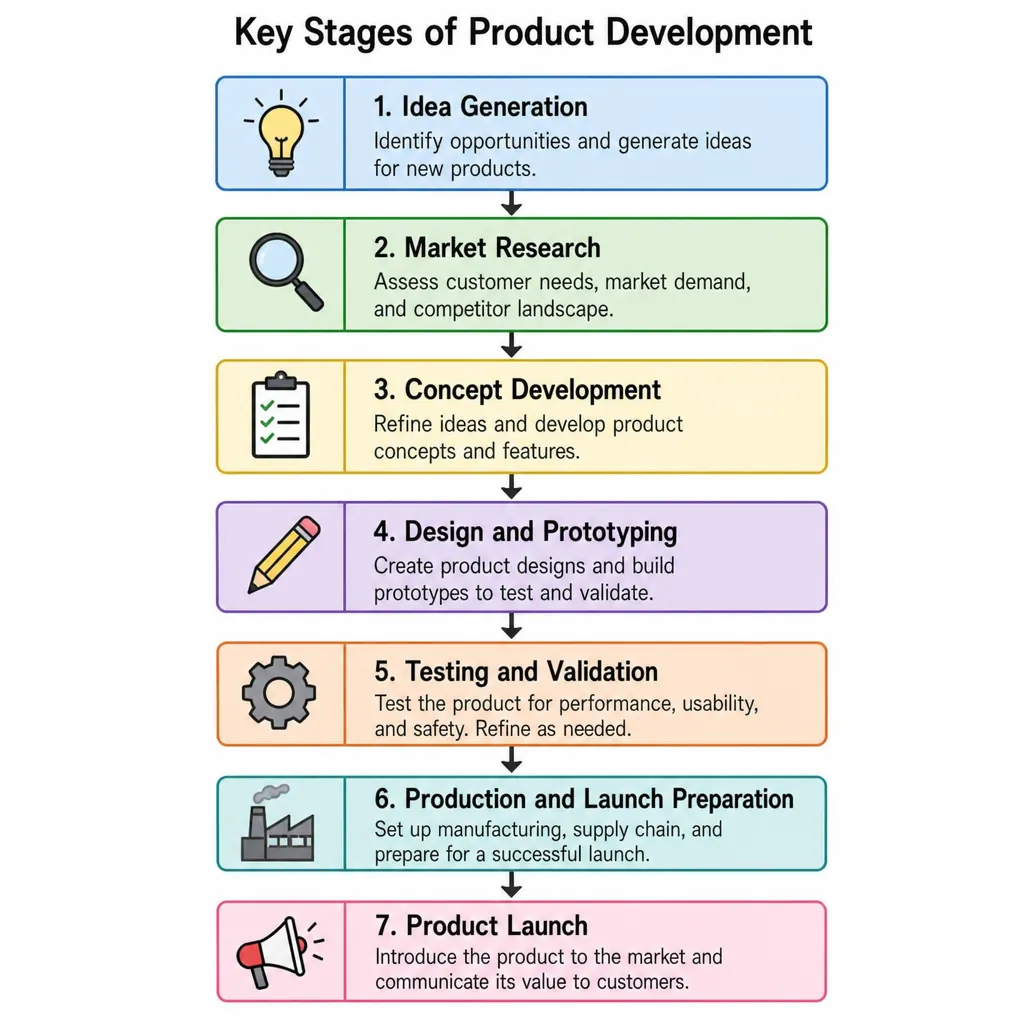
The phases are interlinked. Typical flow:
- market research
- concept development
- design and prototyping
- testing and validation
- manufacturing and launch
Each step refines quality, efficiency, and market fit.
Stage 1: Market research and idea generation

Market research gathers data on customer needs, preferences, and gaps. Idea generation then brainstorms concepts that address those pain points.
Key activities:
- surveys and interviews
- industry trend analysis
- competitor product review
- customer personas
Diverse teams improve innovation and problem-solving so concepts resonate with the target audience.
Stage 2: Concept development and screening
Refine promising ideas into detailed concepts — sketches, descriptions, or early designs that show features and benefits.
Screening evaluates which concepts are viable:
- market potential and demand
- alignment with business objectives
- cost and resource availability
- technical feasibility and innovation potential
Only the strongest ideas move forward, which focuses resources and reduces risk.
Stage 3: Product definition and roadmap planning
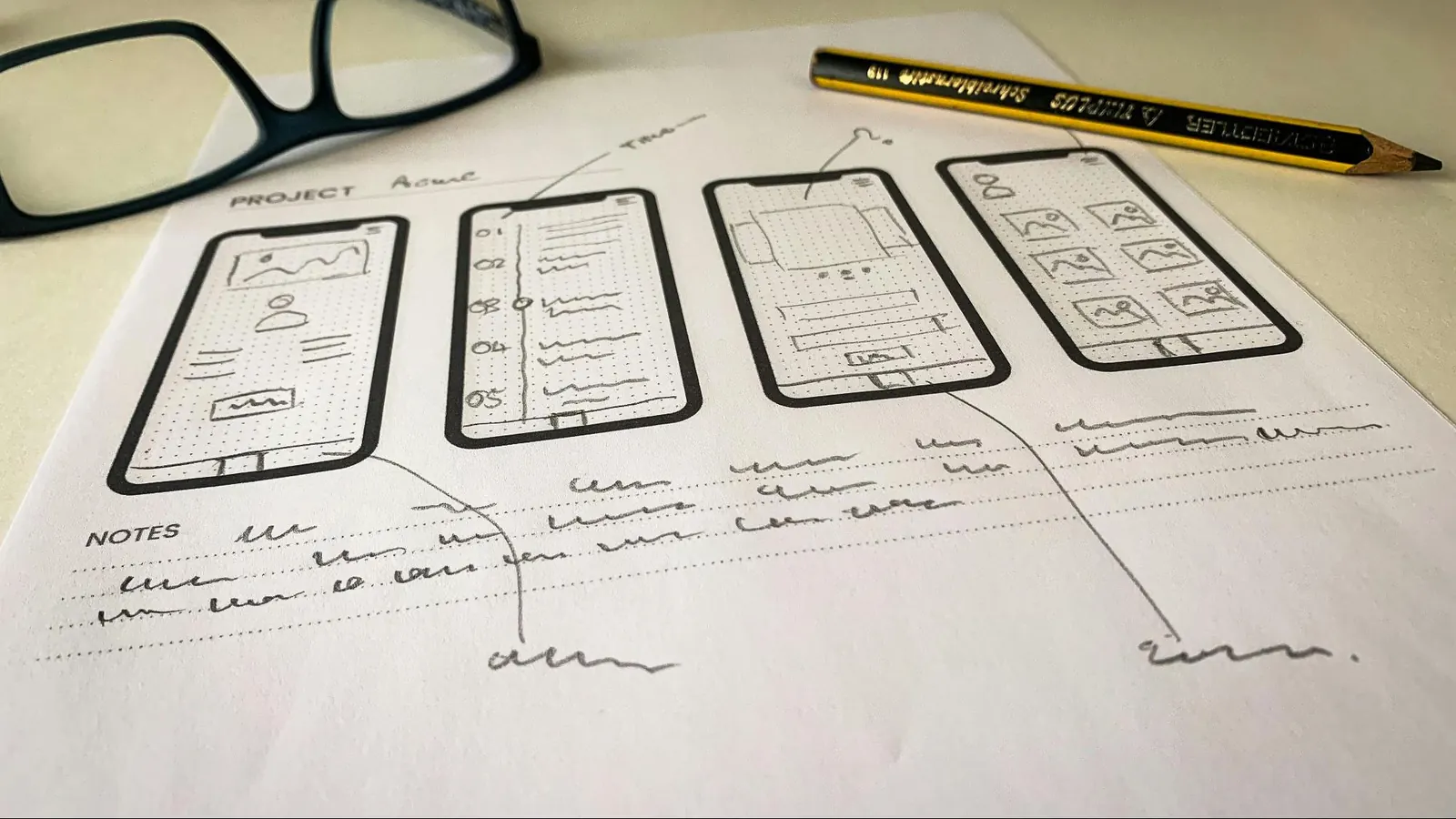
Define clear specifications, features, and what makes the product stand out. Then craft a product roadmap — a strategic guide for timeline and phases.
Roadmap components:
- key milestones and timelines
- resource allocation
- risk management
- market entry strategies
A shared roadmap keeps the team organised and goal-oriented.
Stage 4: Product design and prototyping
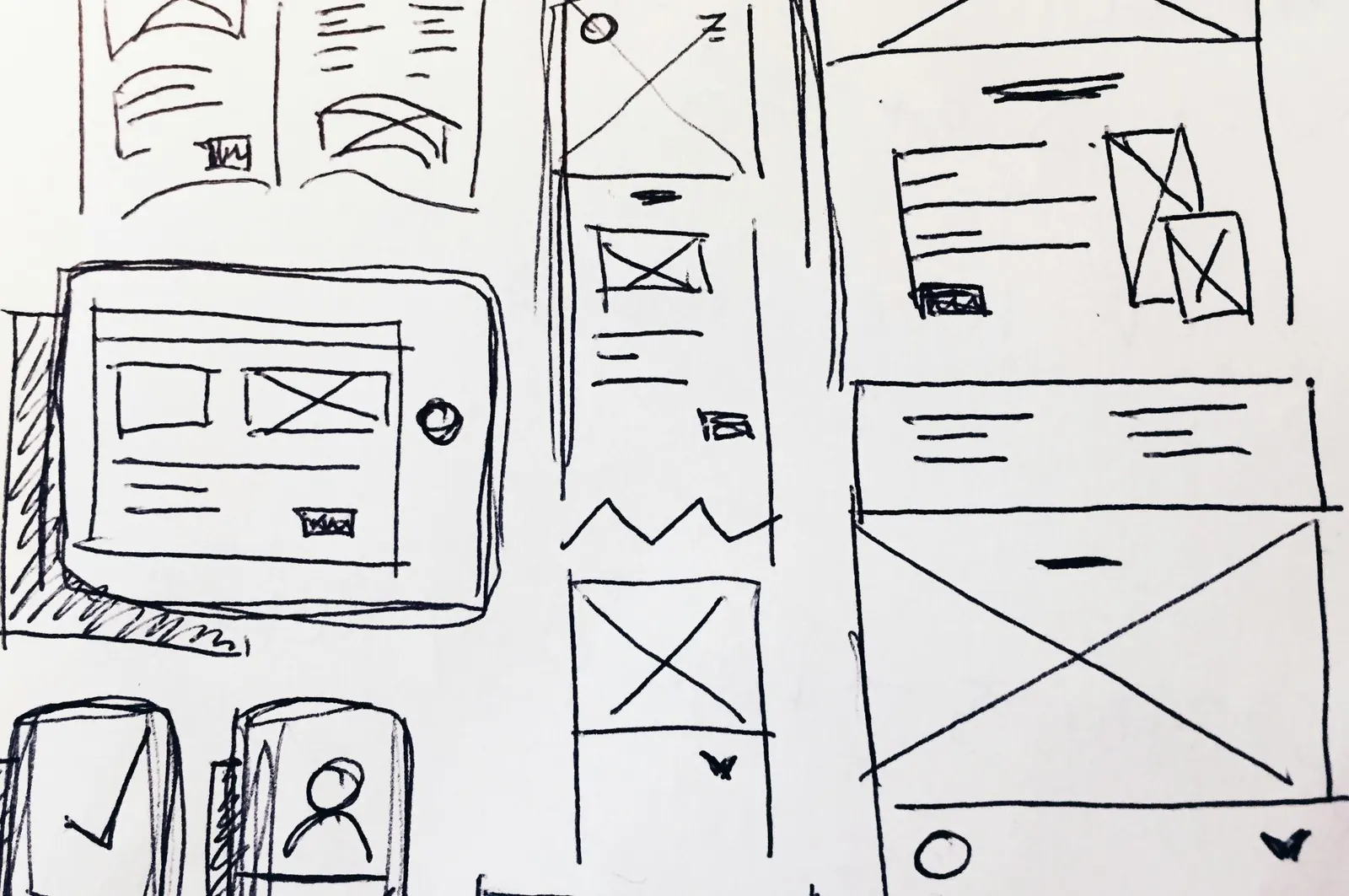
Design balances usability and visual appeal — UX, ergonomics, and collaboration across design, engineering, and marketing.
Prototyping builds a functional mock-up to test assumptions. Typical activities:
- 3D modelling and printing
- user testing feedback sessions
- design iterations
Prototypes cut risk before mass production.
Stage 5: Testing, validation, and iteration
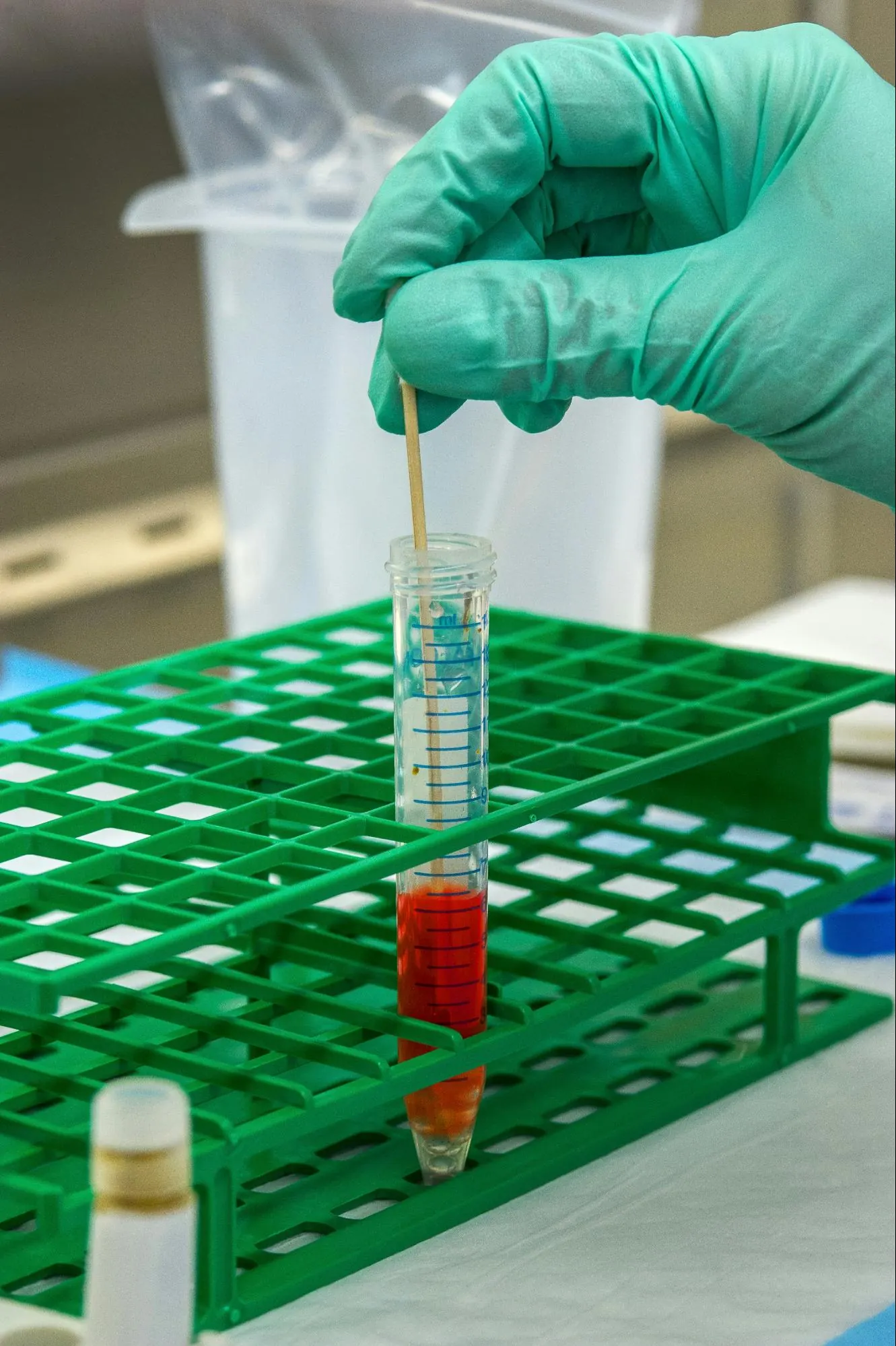
Testing checks functionality and reliability (user tests, safety, stress). Validation confirms the product matches intended specs and regulatory requirements.
Iteration refines based on feedback:
- analyse test results
- implement design changes
- run further user tests
Multiple cycles raise quality and launch readiness.
Stage 6: Product development and manufacturing

Engineering turns designs into buildable products. Manufacturing needs planning that balances speed and quality, with close supplier and QC collaboration.
Important aspects:
- scaling production to demand
- quality control measures
- supply chain logistics
Done well, design transitions smoothly into market-ready production.
Stage 7: Launch planning and commercialisation

Finalise marketing, distribution, pricing, and customer support. Timing and clear stakeholder communication matter as much as the product itself.
Key considerations:
- marketing strategy
- pricing and distribution channels
- launch events and promotions
Strong execution here shapes first impressions and long-term momentum.
Product lifecycle: what happens after launch?

After launch the lifecycle continues: introduction, growth, maturity, and decline — each needing different tactics.
Focus areas by phase:
- introduction / growth — market share and brand awareness
- maturity — profitability and offer diversification
Ongoing work:
- monitor sales and market trends
- adjust marketing
- enhance features from feedback
Best practices for a new product development plan
Align product goals with company mission and market demand. Start from solid personas and positioning.
Practices that help:
- cross-functional collaboration
- prioritise user feedback and continuous iteration
- agile methods for flexibility
Regular assessment keeps the plan honest and launch-ready.
Common challenges and how to overcome them
Typical hurdles: miscommunication, market misalignment, thin resource allocation.
Countermeasures:
- clearer team communication
- features aligned to real market needs
- regular resource reviews
Plan for setbacks and keep the culture flexible so the stages stay navigable.
Conclusion
Successful product development means understanding and executing every key stage — then staying adaptable through the lifecycle. Continuous feedback and iteration turn a launch into products that last.