27 июля 2026 г. · Источник
Key Skills Every Growth Manager Needs
Vadim Barsov · Growth / Marketing / Adtech / LLM / ML · barsov-growth.ru

Why growth managers matter
In today's fast-paced business world, growth managers play a crucial role. They drive business success through innovative strategies and data-driven decisions.
A growth manager's role is multifaceted, involving growth hacking, marketing, and analysis. These elements are essential for acquiring and retaining customers.
Understanding growth metrics is vital for measuring the success of these strategies. Growth managers must be adept at interpreting data to identify trends and opportunities.
They also need to collaborate effectively with cross-functional teams. This requires strong communication skills and a deep understanding of digital marketing channels.
Aspiring growth managers must develop a diverse skill set — including strategic thinking, creativity, and adaptability — to thrive in this dynamic field.
What is a growth manager?

A growth manager steers a company toward success by finding innovative ways to drive business growth. This blends data analytics, creativity, and marketing savvy.
Growth managers sit behind customer acquisition and retention. They deploy creative, low-cost strategies to expand the customer base and continually optimise efforts using data.
Key responsibilities include:
- conducting growth analysis to spot opportunities
- collaborating with teams to align objectives
- developing growth marketing campaigns
In short: strategic thinkers with a knack for problem-solving, who stay ahead of industry trends and adapt quickly to market changes.
The role of growth hacking

Growth hacking is a core part of the growth manager's toolkit: creative, cost-effective strategies to gain customers quickly and scale without hefty budgets.
Unlike traditional marketing, growth hacking emphasises experimentation and rapid iteration — testing new ideas and optimising what already works.
Key strategies include:
- viral marketing campaigns
- A/B testing and experimentation
- leveraging social media channels
The efficiency of inventiveness plus measurement is why growth hacking matters in competitive markets.
Essential hard skills

Hard skills form the backbone of effective growth strategies.
Data analysis is critical: interpret complex datasets to uncover trends and opportunities (tools like Google Analytics and Mixpanel).
Digital marketing channels matter too: SEO, PPC, and social media for acquisition and engagement.
Technical literacy helps — basic coding or technical concepts make collaboration with engineering smoother.
Key hard skills:
- data analysis and interpretation
- digital marketing proficiency
- technical understanding
- CRM and customer data management
Must-have soft skills
Soft skills enable collaboration and innovation across teams.
- Communication — articulate complex ideas clearly so departments stay aligned
- Adaptability — pivot when the market or consumer behaviour shifts
- Calculated risk-taking — experiment without chaos
- Problem-solving and creativity
The combination of technical knowledge and interpersonal ability drives sustained growth.
Growth analysis: turning data into action
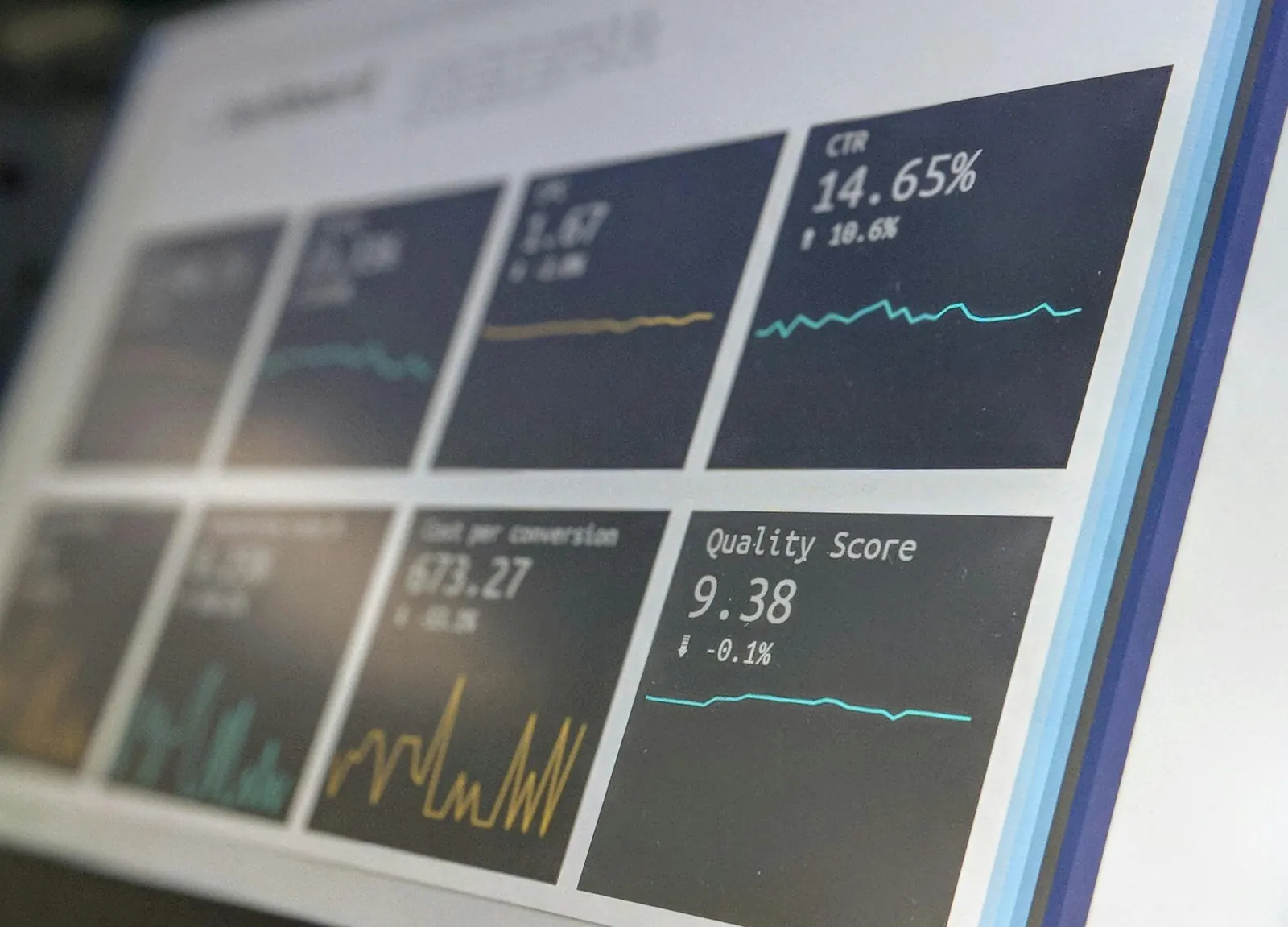
Growth analysis means interpreting data to uncover trends and insights that inform strategy.
Strong analytical skills turn raw data into action plans. Tools like Google Analytics and Mixpanel help track behaviour and campaign effectiveness.
Key aspects:
- identifying trends and patterns
- leveraging analytics tools
- translating data into action plans
Mastering analysis helps anticipate market shifts and keep the company ahead of competitors.
Growth metrics every manager should track
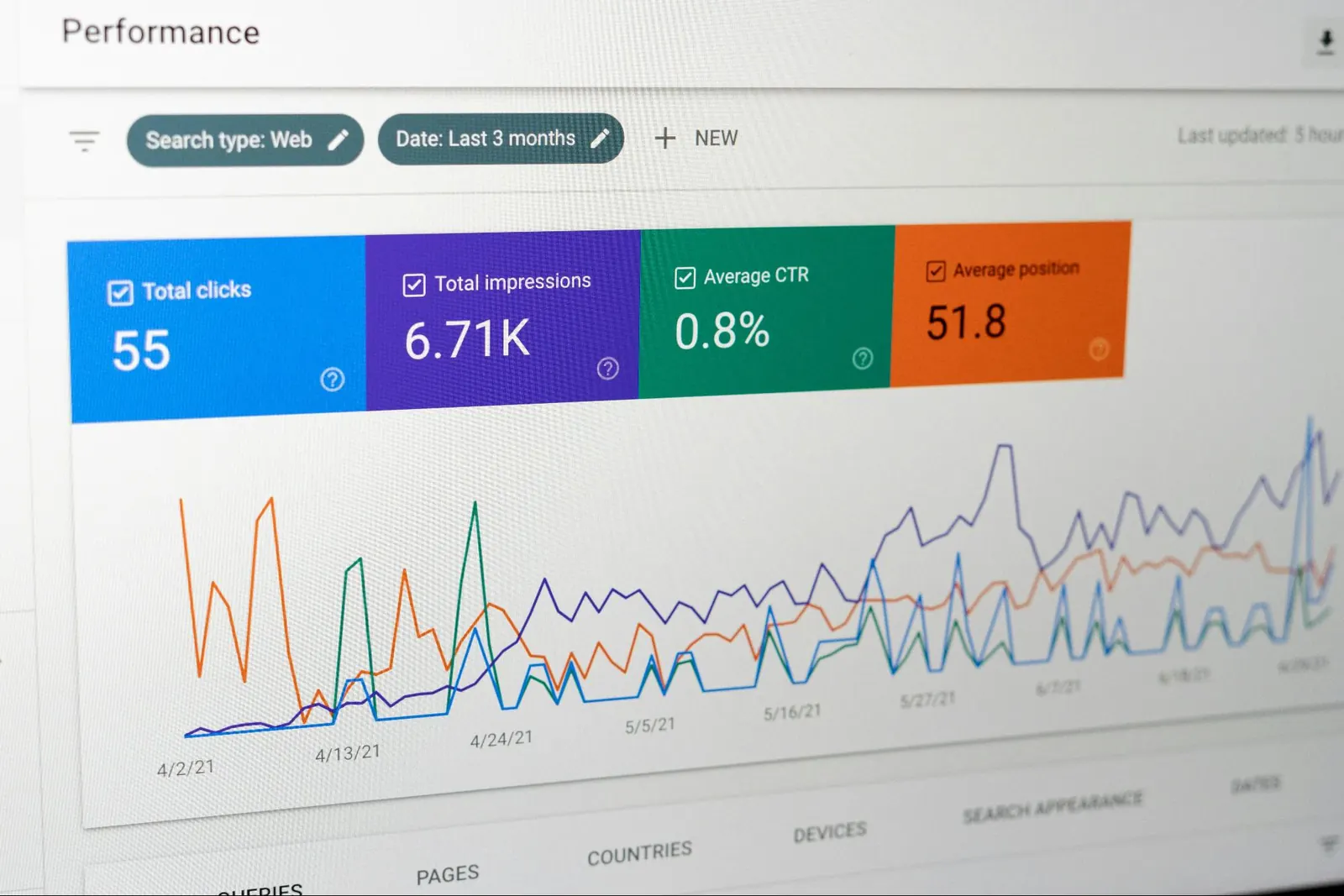
Metrics show progress and where to improve. Common focus areas:
- Customer Acquisition Cost (CAC)
- Customer Lifetime Value (CLV)
- Churn rate
- Conversion rate
Align strategic goals with these metrics to keep initiatives impactful and comparable to industry benchmarks.
Growth product manager vs. growth marketing manager

Both roles aim at business growth, but the focus differs.
- Growth product managers improve the product and UX to drive engagement, working closely with product teams.
- Growth marketing managers concentrate on acquisition and retention through marketing channels.
Collaboration between the two keeps product and channel strategies coherent.
Tools and technologies

Typical toolkit:
- Google Analytics for site and behaviour analysis
- CRM systems for customer data and interactions
- Mixpanel and Amplitude for product usage and engagement insights
These tools support efficient, evidence-based growth decisions.
Building a growth mindset and culture
A growth mindset means embracing challenges and learning from failures. Growth managers should foster a culture where experimentation and innovation are normal.
Components:
- embrace challenges
- learn from failures
- encourage innovation and creativity
How to develop growth manager skills
- Identify strengths and gaps
- Attend workshops and courses
- Follow industry content and conferences
- Network with experienced practitioners
- Practise skills on real initiatives
Conclusion
A successful growth manager blends strategic vision with hands-on execution. Master data-driven decisions, collaborate across teams, stay adaptable, and keep learning.
Honing this mix of hard skills, soft skills, and a growth mindset is what turns growth from a slogan into a measurable operating system.